Black Heroes in European Comics: A Comparative Research Archive of Race, Colonialism, and Popular Culture
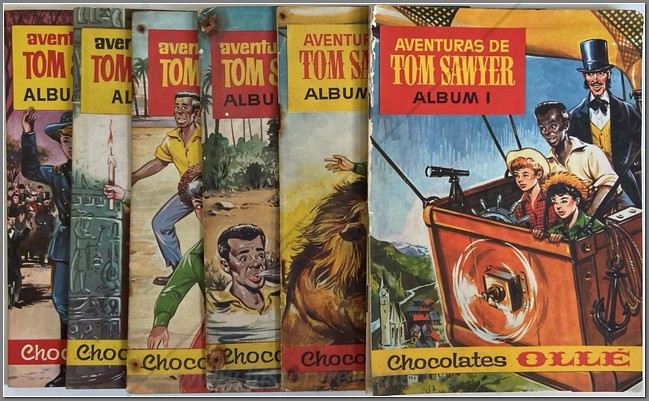
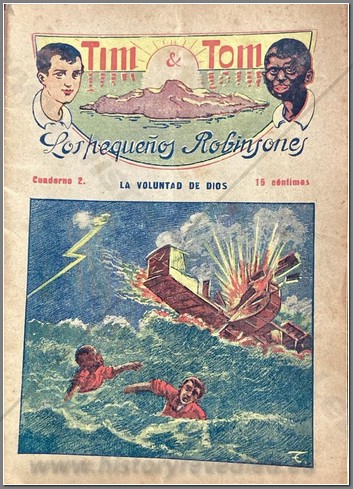
This archive documents the changing representation of Black heroes, protagonists, and companions in twentieth-century European comic books, providing an unusually broad comparative record of race, colonialism, and popular culture across the principal European colonial powers. Assembled over many years from France, Belgium, Italy, Spain, and the Netherlands, it brings together material that is rarely encountered as a coherent research collection and offers scholars an exceptional opportunity to examine the evolution of racial representation in European popular publishing.
Unlike the more familiar American tradition, shaped largely by the histories of slavery, segregation, and the Civil Rights Movement, these European publications reflect the distinct historical experiences of empire, colonial administration, exploration, migration, and cultural exchange. Black protagonists appear in adventure stories, Westerns, crime fiction, fantasy, and historical narratives, revealing the changing ways European publishers imagined heroism, friendship, authority, race, and cultural identity throughout the colonial and post-colonial eras.
Taken as a whole, the archive traces the evolution of Black representation across several decades and multiple national publishing traditions. It provides valuable primary source material for comparative research into colonialism, the African diaspora, visual culture, children's literature, comics, media history, and the changing construction of race in twentieth-century Europe. By bringing together publications from several countries within a single thematic archive, the collection enables scholars to examine both shared patterns and important national differences in the portrayal of Black characters.
The principal strength of the archive lies not simply in the rarity of individual comic books, but in its intellectual coherence. Rather than assembling examples from a single publisher or country, it presents a carefully curated body of material united by one central research theme: the representation of Black heroes and companions within European popular culture. Recreating such an archive today would require years of specialised searching across multiple national markets and languages.
The collection will be of particular interest to researchers in African and African American Studies, History, Colonial and Postcolonial Studies, Comics Studies, Children's Literature, Media Studies, Popular Culture, Visual Culture, European Studies, and Cultural History. It also offers significant opportunities for interdisciplinary teaching, exhibitions, and digital humanities projects exploring race, empire, and visual representation.
More than a collection of vintage comic books, this archive represents a distinctive body of primary source material that documents changing European attitudes toward race and identity through one of the twentieth century's most influential forms of popular culture.