From Isolation to Permanent Mobilization: American War and Federal Authority in Bubble Gum Cards, 1930s–1980s
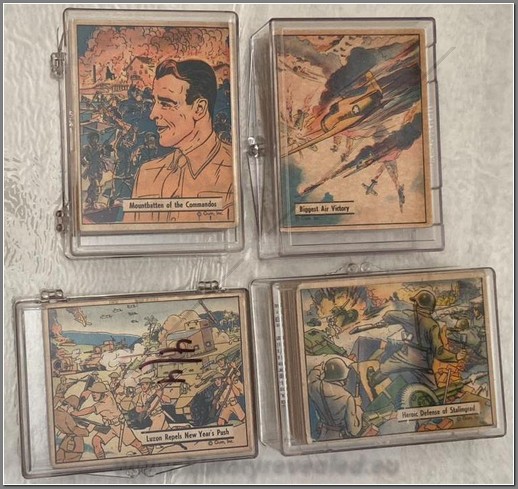
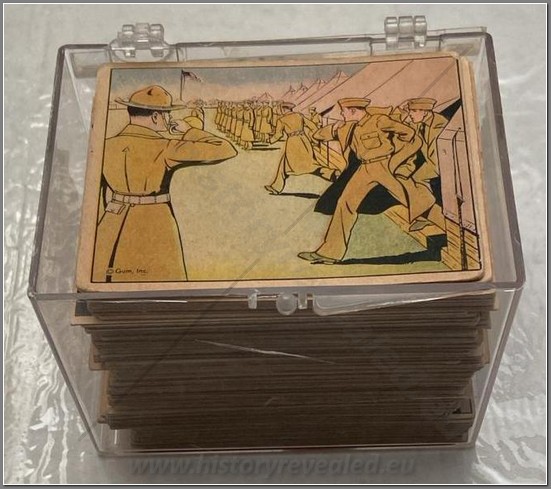
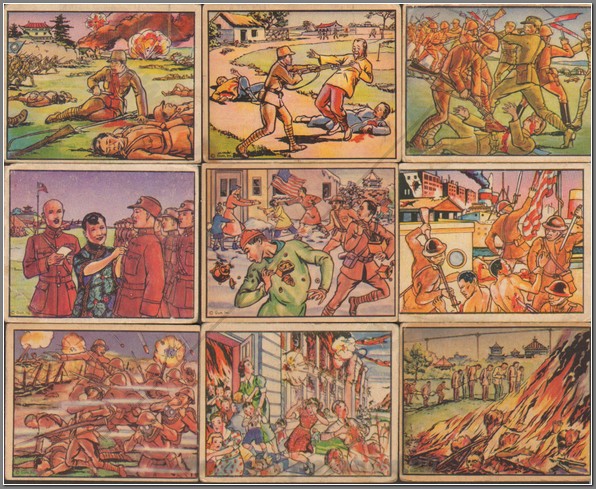
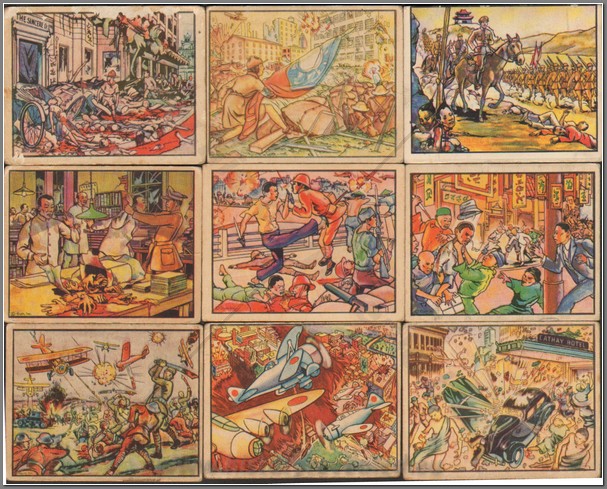
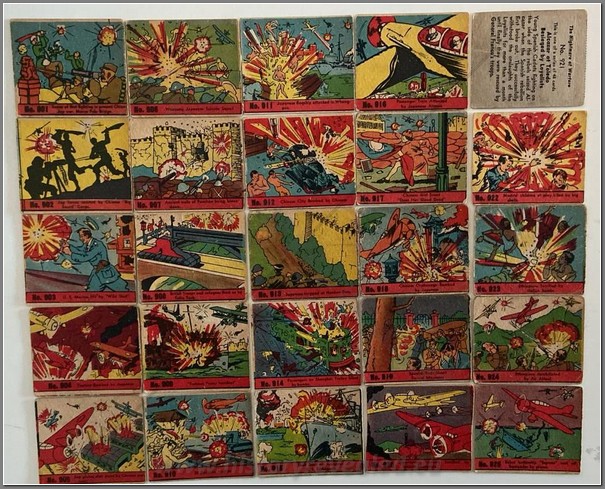
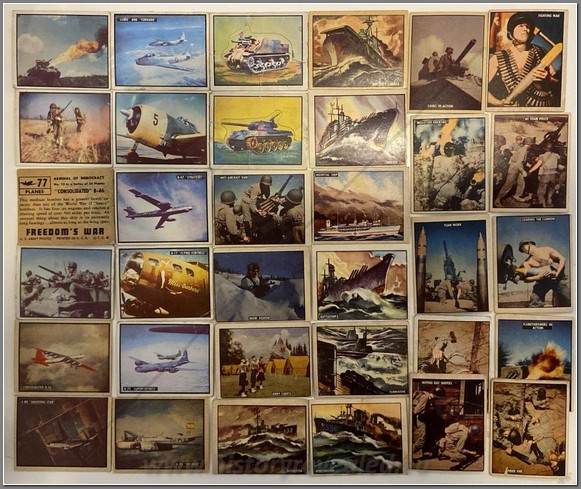
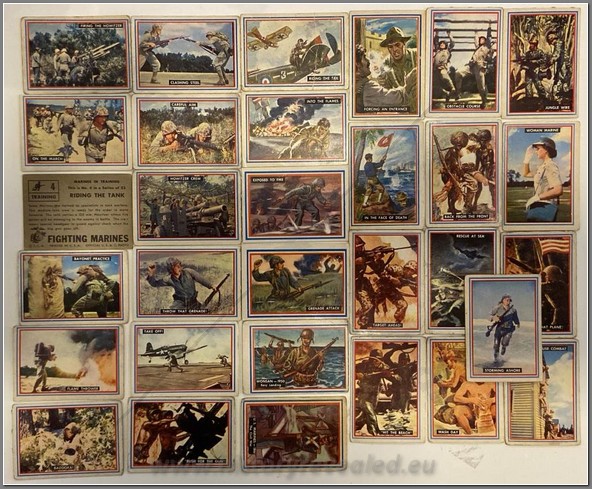
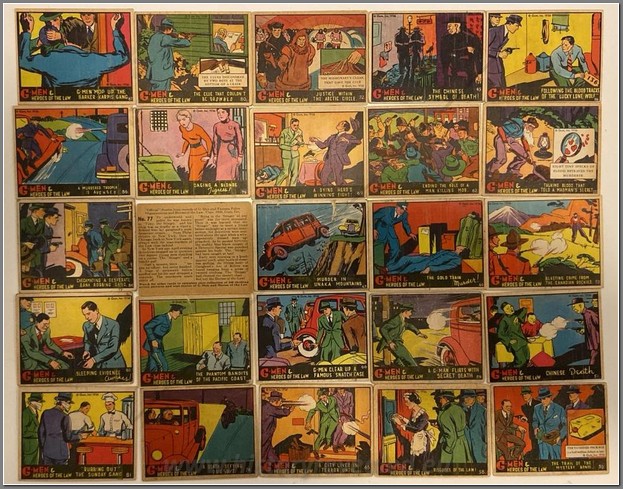
This collection comprises a large and cohesive archive of American bubble gum trading cards issued between the 1930s and the 1980s, centered overwhelmingly on the theme of modern warfare, with a smaller component devoted to the Federal Bureau of Investigation. Produced by major American manufacturers including Topps, Bowman, Goudey, and others, the collection documents how war and national service were interpreted, visualized, and communicated to American youth during a period of profound transformation in the nation’s global role.
The collection focuses on contemporary conflicts that directly shaped twentieth-century American identity, particularly the Second World War, the Korean War, and the Vietnam War. It does not include retrospective depictions of earlier conflicts such as the American Civil War, but instead preserves material that reflects the lived geopolitical realities of its time. As a result, the cards offer a continuous visual and narrative record of the United States’ transition from the relative pacifism and isolationism of the interwar period to its emergence as an actively engaged and permanently mobilized global military power.
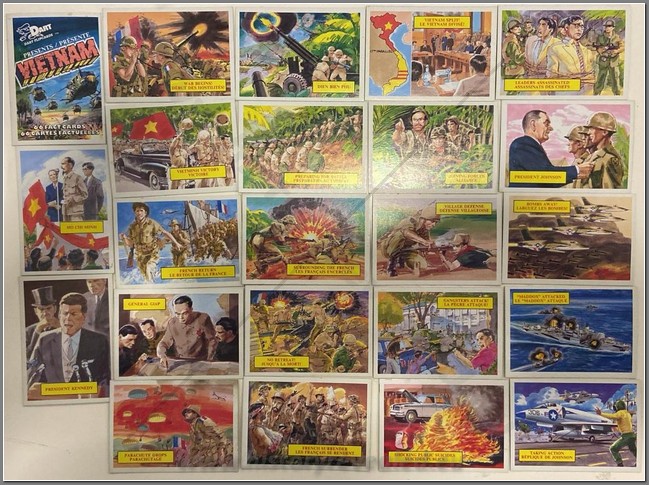
Early series reflect war as a hypothetical exercise and distance from foreign conflict, consistent with the isolationist climate of 1930s America. As the collection progresses chronologically, later series increasingly emphasize action, technological sophistication, and heroic participation. By the 1950s and 1960s, war is presented less as an exceptional national emergency and more as an expected and normalized dimension of American global responsibility. The Vietnam-era material, in particular, illustrates the full integration of modern warfare into popular visual culture directed at children.
A smaller portion of the collection consists of three bubble gum card sets devoted to the Federal Bureau of Investigation. These cards complement the wartime material by depicting federal agents as defenders of domestic security, reflecting the parallel expansion of federal authority and the growing importance of national security institutions in American life.
Taken as a whole, the collection’s greatest research significance lies not simply in its wartime subject matter, but in the way it documents a profound psychological and cultural shift in American society. The cards trace, in accessible visual form, the nation’s movement from an isolationist mindset, to active mobilization during global conflict, and ultimately to the normalization of permanent military readiness and global engagement. This progression is reflected in changing visual styles, narrative tone, and thematic emphasis across the decades.
As primary source material, these cards offer substantial value for scholars of American history, childhood studies, media and communication, visual culture, political science, and Cold War studies. They demonstrate how mass-produced commercial objects functioned as informal educational tools that helped shape popular understanding of war, state power, and national identity among younger generations. It also traces the evolution of card manufacturing from the “strip cards” first introduced in the twenties to regular cards that we know today.
As a unified archive, this collection represents an increasingly scarce and thematically coherent body of material documenting the cultural normalization of war in twentieth-century America. Its chronological continuity and interpretive significance make it an especially valuable resource for institutional collections focused on modern history, popular culture, propaganda, and the relationship between war and society.