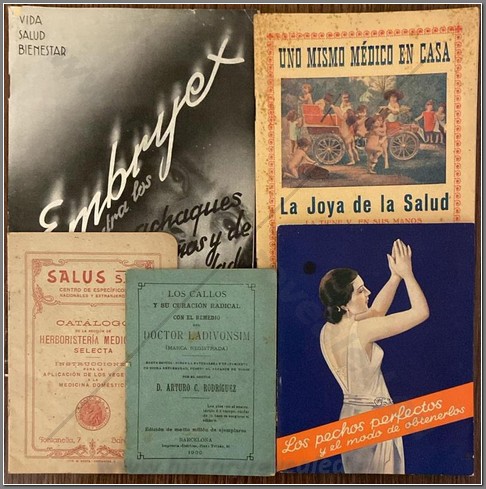
 MDH 149
5 early Spanish booklets on medicinal cures.
Price: $150.00

MDH 149
5 early Spanish booklets on medicinal cures.
Price: $150.00
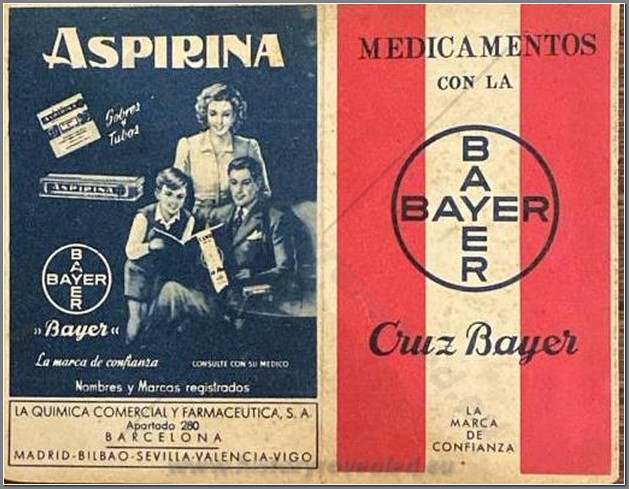 MDH 148
Small Spanish booklet by Bayer Aspirin to keep track of ones weight.
Price: $70.00
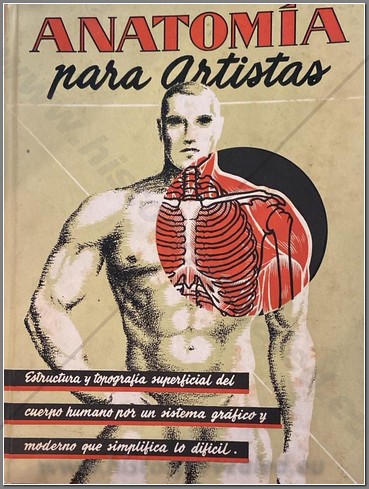 MDH 147
Anatomia para Artistas, by U. BENEDICTS. L.E.D.A. 96 pages. Not in Worldcat.
Price: $150.00
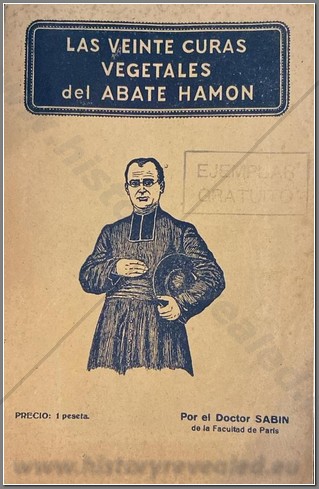 MDH 146
50 page booklet titled LAS VEINTE CURAS VEGETALES DEL ABATE HAMON (ABBE HAMON'S TWENTY VEGETABLE CURES). Complete with ordering forms for more copies and an endorsement from a local doctor. C1930. No US library holds this.
Price: $150.00
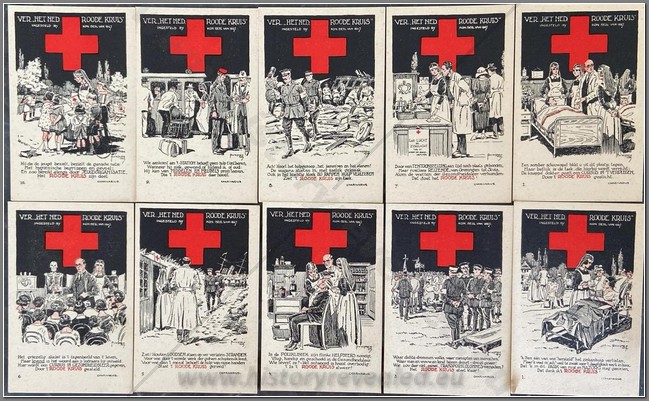 MDH 145
Complete set of 10 postcards produced in 1923 commemorating the founding of the Red Cross in Holland.
Price: $400.00
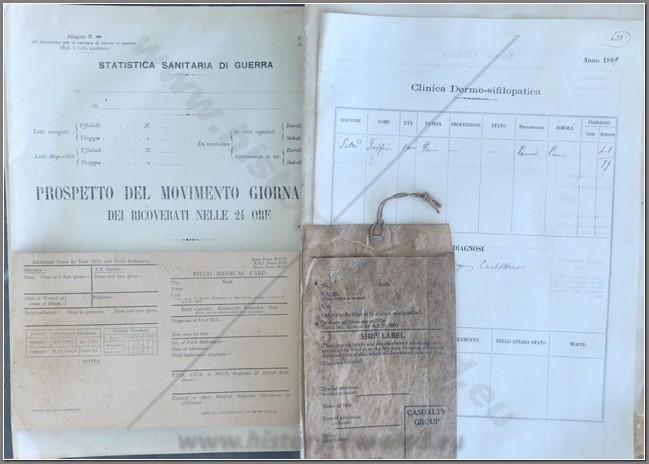 MDH 143
Documents spanning 56 years relating to the main hospital of Parma. 7 documents from the Dermo-Sifilopatica clinic, showing patient records. During WW1 the hospital was converted for military use and there are two blank forms for patient records dated 1936. Titled WAR HEALTH STATISTICS. DAILY MOVEMENT OF HOSPITALIZED PATIENTS IN THE 24 HOURS. It separates Italians from non-Italians and allies from enemies. At the time the form was printed, Italy was at war with Ethiopia. Lastly, the hospital was used by the American following the breach of the Gothic Line in 1944 and there is a shipment packet field medical card used by the Americans. These documents span three different periods in the hospital’s history, from the original 16th century construction to the new 20th century construction.
Price: $400.00
NOTE: In 1476, construction work began on a new hospital in Strada Maestra di Santa Croce (now Strada Massimo D'Azeglio) based on a project by Gian Antonio Da Erba, to bring together the numerous smaller hospitals in the city and its surroundings in a single structure; the large Renaissance building , completed in 1517, was divided into two sections, known as the Ospedale della Misericordia and the Ospizio degli Esposti, intended respectively to care for the sick and welcome foundlings . In 1548, the Consortium of the living and the dead took over the management of the structure. The hospital was expanded starting from 1587, designed by Giovanni Francesco Testa , while in 1663 the oratory of Sant'Ilario was built inside it in honour of the patron saint of the city, to whom the hospital was also dedicated. Other renovation and expansion works were carried out in the following centuries, but nevertheless at the end of the 19th century the building proved to be increasingly inadequate due to the growth of the city's population.
For this reason, the administrators gave up the idea of further restructuring the old hospital, preferring the idea of building a new hospital in a more suitable location in the Prati di Valera area, which already belonged to the Ospizi Civili, between Via Emilia and Via Abbeveratoia; a national competition was therefore announced, won in May 1914 by the engineers Giulio Marcovigi and Ildebrando Tabarroni from Bologna, who envisaged the construction of 18 medical-surgical pavilions divided by avenues, divided into two sections, belonging to the Ospizi Civili and the University Clinics.
The construction site, financed thanks to the liquidation of the ancient Consortium of the living and the dead, was started on 31 October 1915 under the direction of the engineer Alfredo Provinciali, after the outbreak of the First World War , but the works proceeded slowly and were interrupted for war reasons in August 1917; at the end of the conflict the financial difficulties led to a downsizing of the project, but the construction site was subsequently restarted and the Civil Hospital of Parma was inaugurated on 23 August 1926 in the presence of Queen Margherita of Savoy and Duke Adalberto of Savoy-Genoa.
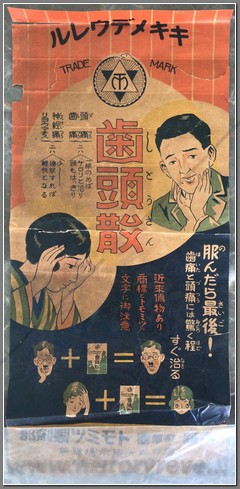 MDH 142
Shopping bag for Japanese medicine, pre-WW2.
Price: $120.00
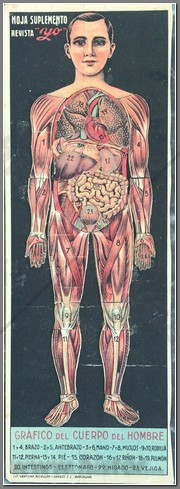 MDH 140
Human anatomy insert to the Spanish magazine “Yo”. C1910.
Price: $150.00
 MDH 133
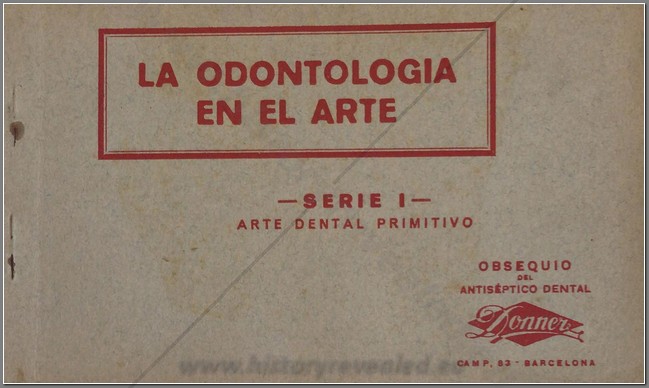
5 complete Spanish postcard booklets titled La Odontologia en el Arte. Series 1, 4, 5, 6, 8. 25 postcards in total. Rare.
Price: $500.00
 MDH 127
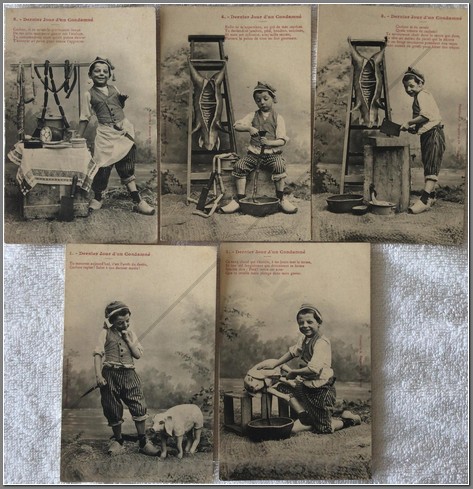
Set of 5 early French gastronomy postcards using a child as the butcher.
Price: $150.00