 CA 263
Set of 6 early German confectionary cards by Freiburger Fruchtntaffee on Uncle Toms Cabin. Some margin damage, not affecting picture proper. SC
Price: $60.00

CA 263
Set of 6 early German confectionary cards by Freiburger Fruchtntaffee on Uncle Toms Cabin. Some margin damage, not affecting picture proper. SC
Price: $60.00
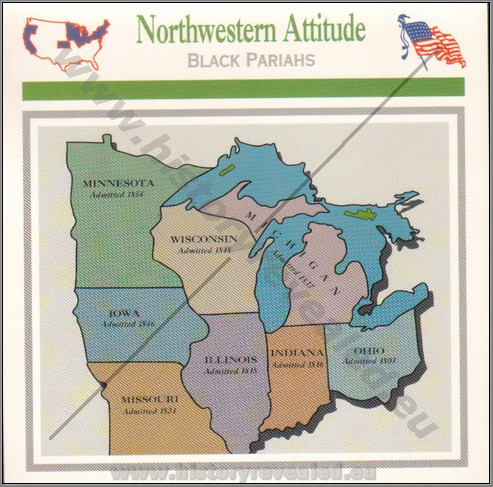 CA 208
Fact card produced in 1993 by Atlas Editions about the Black pariahs of the Northwest. Fascinating insight into how blacks were treated in the Northwest and the resentment to emancipation in those States. “Illinois, Indiana and Iowa wanted nothing to do with black people, slave or free, and enacted laws to bar them from their states”. Interesting to note that “Lincoln did not think that whites could live in harmony and his plan was to resettle blacks to Central America”. Text on reverse. RC
 CA 262
Late 19th century German confectionary card of Negro schools in America. LC
 CA 249
1958 Mexican comic book Lafitte y Gibert, Los Ultimas Pirates. NC
 CA 248
Early Mexican comic book La Cueva de los Desaparacedos. NC
 CA 247
1960 Mexican comic book El Fugitivo. A Haitian legend. Spine taped. NC
 CA 246
 CA 246
Rare early German chromo card set Uncle Toms Cabin. Margin wear. AEC
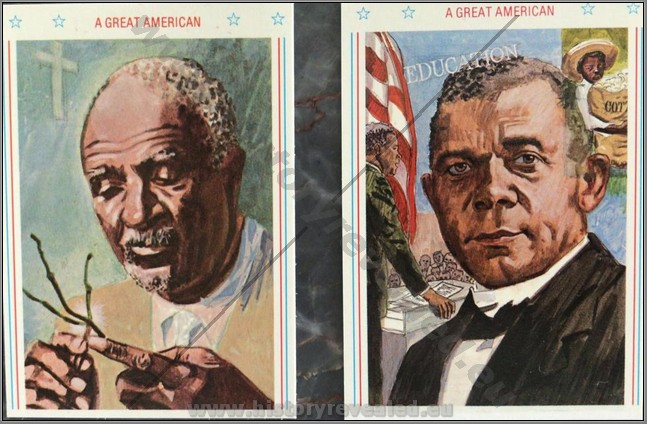 CA 245
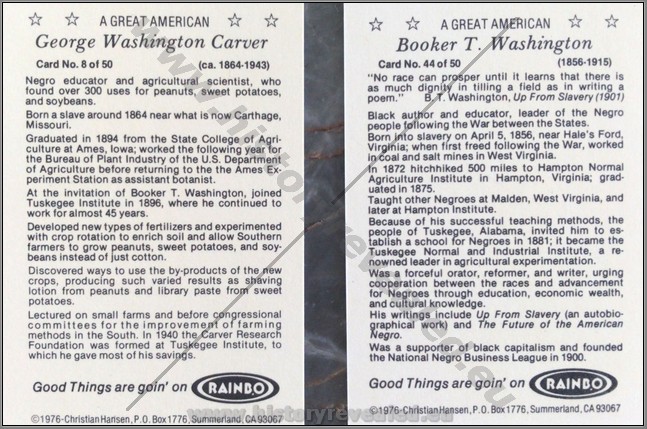 CA 245
Two Rainbo chromo cards on great Americans. Featured here are Booker T. Washington and George Washington Carver. EC
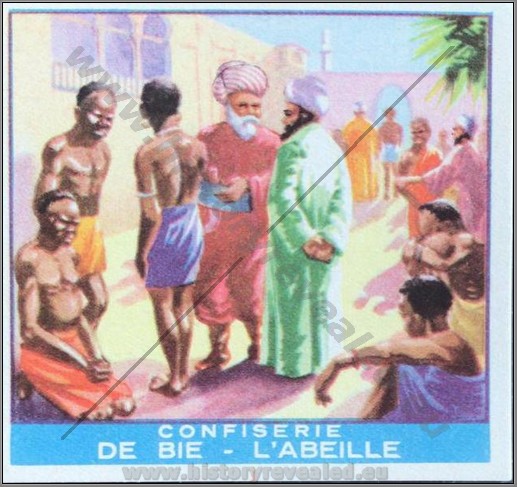 CA 244
Belgian chromo card of slave market. RC
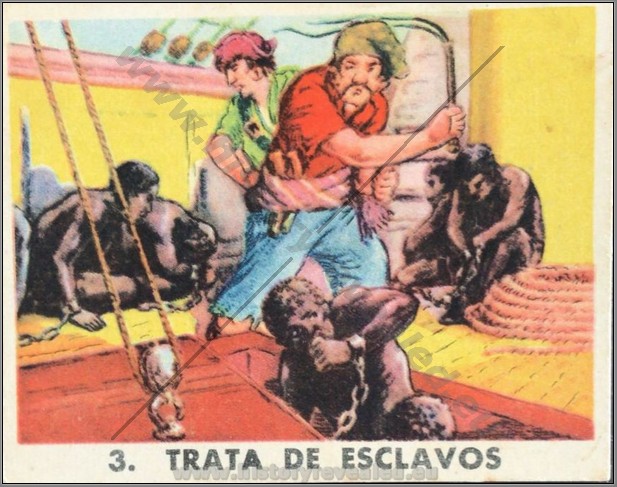 CA 243
1950's Spanish gum card depicting pirates aboard a slave ship. Text on reverse. RC